
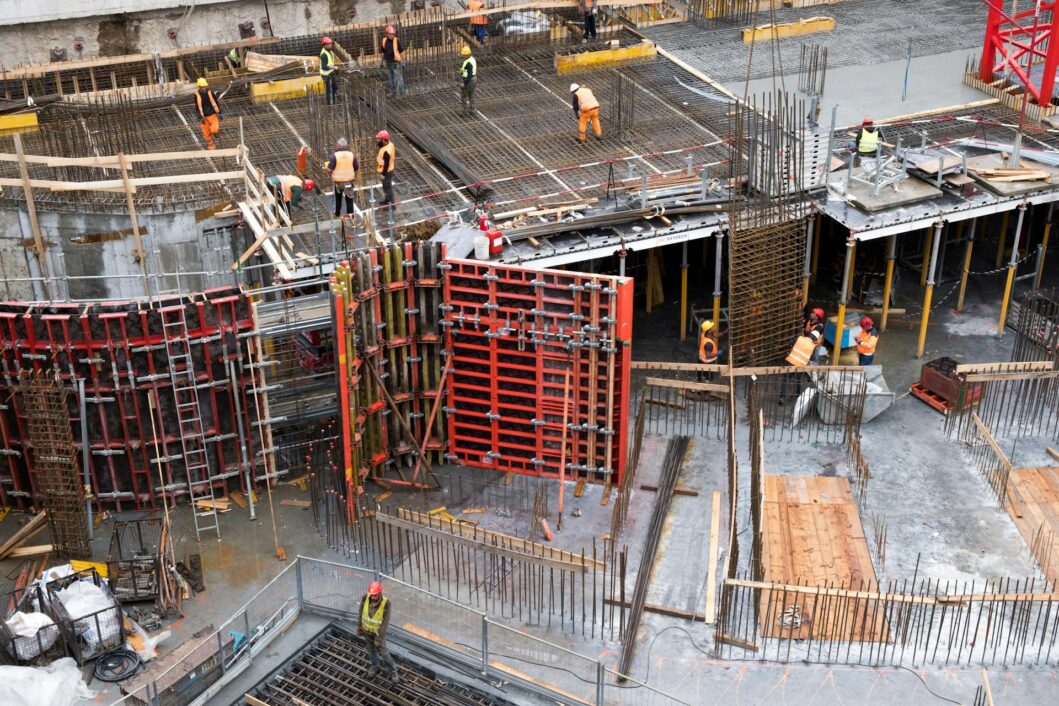
High-profile commercial construction projects, such as automotive dealerships, medical centers, and corporate offices, present unique challenges and opportunities. Successfully completing these developments requires meticulous planning, effective leadership, and a commitment to quality at every stage. Lessons learned from such projects provide valuable insights for construction professionals seeking to achieve excellence in complex environments.
Detailed Preconstruction Planning
Excellence in commercial construction begins long before ground is broken. Preconstruction planning involves thorough review of architectural and engineering designs, careful estimating, and risk assessment. High-profile projects often involve multiple stakeholders, complex specifications, and tight deadlines, making precise planning essential.
By investing time in detailed quantity takeoffs, cost projections, and scheduling, project teams can anticipate challenges and allocate resources efficiently. Effective preconstruction planning reduces surprises during execution and sets a strong foundation for successful project delivery.
Coordination Across Multiple Trades
Large commercial projects require seamless coordination between multiple trades, including electrical, plumbing, structural, and finishing teams. Miscommunication or delays in one trade can ripple across the project timeline, affecting overall efficiency and quality.
Experienced project managers emphasize collaboration, clear communication, and daily progress monitoring. Regular site meetings, shared digital platforms, and real-time reporting help ensure that all teams are aligned, deadlines are met, and work is completed to the required standard.
Adapting to Unforeseen Challenges
High-profile developments often face unexpected obstacles, such as regulatory changes, supply chain delays, or weather-related disruptions. Successful construction leaders anticipate these risks and develop contingency plans. Flexibility, quick problem-solving, and proactive communication with stakeholders are critical in maintaining momentum and minimizing disruptions.
Maintaining Quality and Safety Standards
Quality control and safety are non-negotiable in commercial construction. High-profile projects require adherence to strict building codes, regulatory requirements, and client specifications. Implementing robust quality assurance processes and rigorous safety protocols ensures that construction meets both legal and client expectations. Technology, such as digital modeling, site monitoring, and project management software, can enhance precision and safety compliance.
Delivering Client-Focused Results
Ultimately, excellence in commercial construction is measured by client satisfaction. High-profile projects often demand not just functional structures but also aesthetic appeal and operational efficiency. Listening to client needs, providing transparent updates, and delivering projects on time and within budget strengthens trust and establishes a reputation for excellence.
Conclusion
High-profile commercial developments offer critical lessons in planning, collaboration, adaptability, quality, and client management. By applying these insights, construction professionals can navigate complexity with confidence, achieving projects that are efficient, safe, and exceptional in execution. Excellence is not an accident—it is the result of disciplined processes, strong leadership, and a commitment to continuous improvement.
About the Author
