
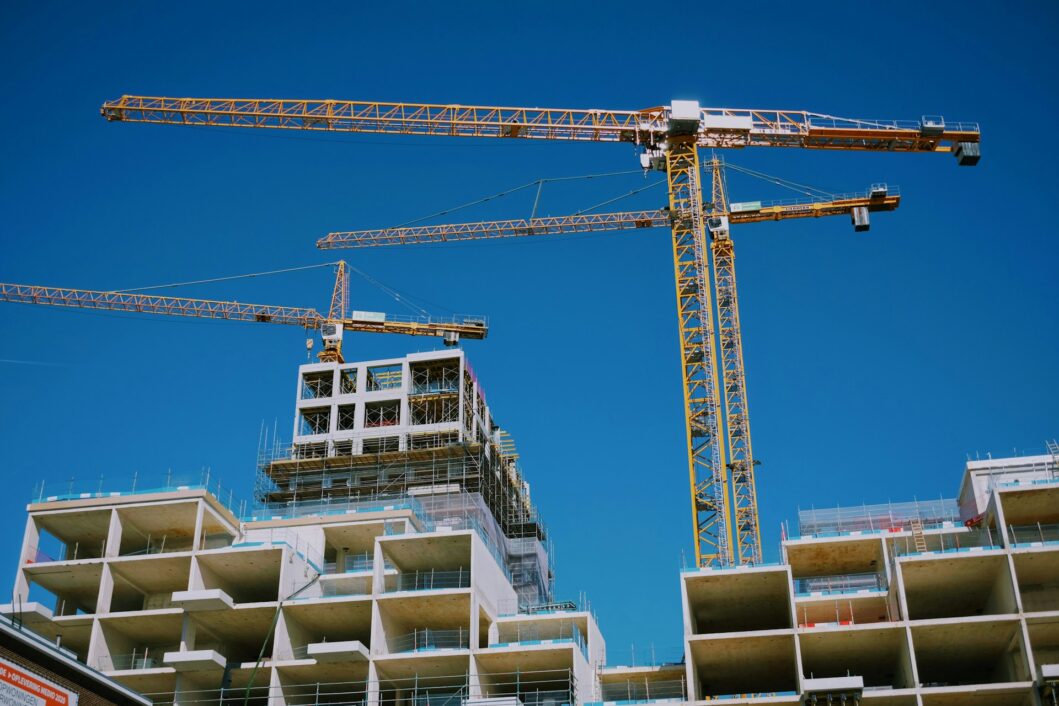
The construction industry, once heavily dependent on manual processes and traditional coordination methods, is now undergoing a major digital transformation. Technology has reshaped how projects are designed, planned, executed, and monitored. From advanced modeling tools to real-time collaboration platforms, modern construction management is becoming faster, more accurate, and significantly more efficient.
Digital Planning and Building Information Modeling (BIM)
One of the most impactful innovations in construction is Building Information Modeling (BIM). BIM allows project teams to create highly detailed 3D digital representations of buildings before construction begins. These models integrate architectural, structural, and mechanical systems into a single platform, helping professionals identify potential design conflicts early.
With BIM, project managers can visualize the entire construction lifecycle, improve coordination between teams, and reduce costly on-site errors. This level of digital planning ensures better decision-making and significantly enhances project accuracy from the earliest stages.
Real-Time Project Management Tools
Modern construction projects rely heavily on cloud-based project management platforms. Tools such as Procore, Primavera, and similar systems allow teams to track progress, manage budgets, share documents, and communicate instantly from any location.
These platforms provide real-time updates, which help construction managers make faster and more informed decisions. Instead of relying on outdated reports or manual updates, stakeholders can monitor project performance continuously, improving transparency and accountability across all levels of the project.
Automation, Drones, and Smart Equipment
Automation and smart technologies are also transforming job site operations. Drones are widely used for site inspections, surveying land, and tracking construction progress from above. This reduces the need for manual inspections and increases accuracy in data collection.
In addition, automated machinery and smart equipment are improving productivity and reducing labor-intensive tasks. These technologies not only speed up construction timelines but also enhance safety by minimizing human exposure to hazardous environments.
Improved Cost Estimation and Scheduling Accuracy
Technology has also revolutionized cost estimation and scheduling processes. Advanced software tools allow project managers to create more precise budgets and timelines by analyzing historical data, material costs, and labor availability.
This reduces the risk of unexpected cost overruns and project delays. By integrating scheduling tools with real-time data, managers can quickly adjust plans when changes occur, ensuring smoother project execution.
The Future of Digital Construction
As technology continues to evolve, the construction industry will become even more data-driven and interconnected. Artificial intelligence, machine learning, and predictive analytics are expected to play a larger role in forecasting project risks and improving efficiency.
Ultimately, technology is not replacing construction professionals—it is empowering them. By embracing digital tools and innovative systems, the industry is moving toward smarter, safer, and more sustainable project planning and execution.
About the Author
