
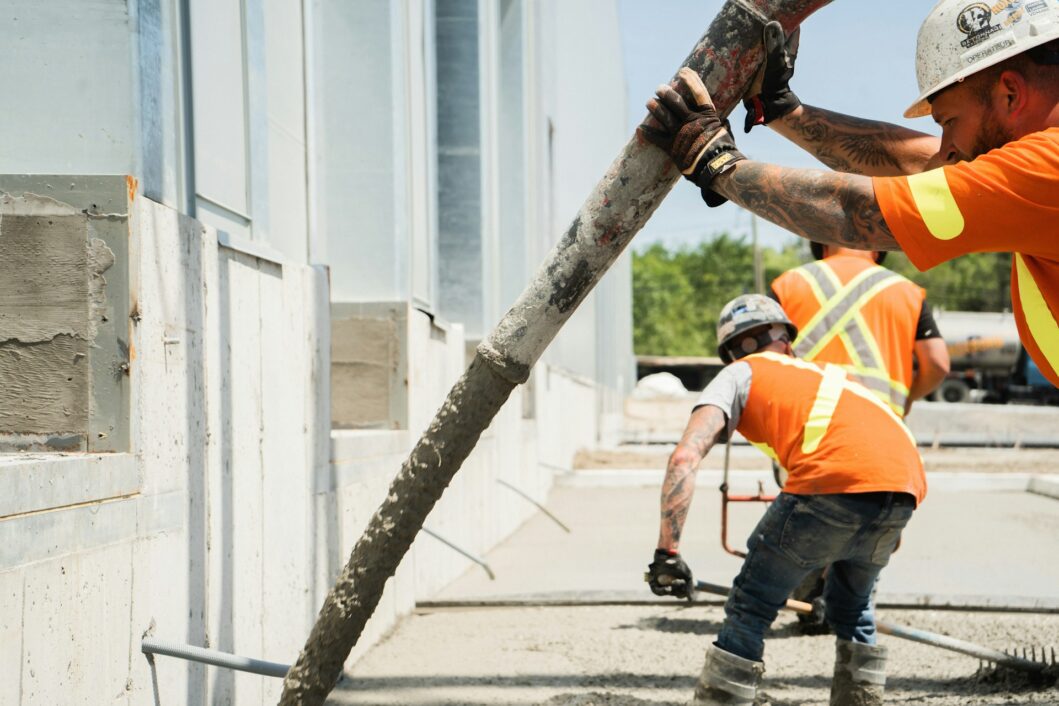
Staying within budget is one of the biggest challenges in construction project management. Even when a project starts with a carefully prepared estimate, unexpected expenses can quickly increase the total cost. Understanding why construction projects go over budget can help project managers identify risks early and take steps to control spending.
Inaccurate Initial Cost Estimates
One common reason for construction cost overruns is an inaccurate initial estimate. If labor, materials, equipment, permits, or other expenses are underestimated, the project may require additional funding later.
A detailed cost estimate should consider the project’s scope, site conditions, material prices, labor requirements, and other expected expenses. Reviewing estimates before construction begins can also help identify unrealistic assumptions.
Changes to the Project Scope
Changes during construction can significantly affect a project’s budget. Owners may request design changes, additional features, or modifications after work has already started.
Even relatively small changes can increase labor and material costs or require completed work to be modified. Establishing a clear project scope and using a formal change order process can help managers evaluate the financial impact of changes before approving them.
Rising Material and Labor Costs
The prices of construction materials and labor can change throughout a project. Supply chain problems, inflation, shortages, and increased demand may cause prices to rise after the original budget has been prepared.
Project managers can reduce this risk by obtaining reliable supplier quotations, ordering critical materials early, and including reasonable allowances for price fluctuations in the budget.
Poor Project Planning
Insufficient planning can create delays, inefficient resource use, and unexpected expenses. When tasks are not properly coordinated, workers may be unable to continue because materials, equipment, or other trades are not ready.
A detailed construction schedule and resource plan can help ensure that people, equipment, and materials are available when required.
Unforeseen Site Conditions
Construction teams may encounter unexpected conditions such as unstable soil, hidden structural problems, underground utilities, or drainage issues. These problems can require additional work and materials.
Conducting thorough site investigations before construction begins can reduce the likelihood of major surprises. However, project budgets should also include a contingency fund for unexpected conditions.
How to Prevent Construction Cost Overruns
Preventing every unexpected expense is difficult, but effective cost management can reduce the risk of major overruns. Construction managers should regularly compare actual spending with the approved budget and investigate significant differences.
Using project management software, maintaining accurate records, communicating with contractors, and reviewing expenses throughout the project can also improve financial control.
Conclusion
Construction projects can go over budget because of inaccurate estimates, scope changes, rising costs, poor planning, and unforeseen site conditions. The best way to control these risks is to develop a realistic budget, plan thoroughly, monitor expenses, and maintain clear communication throughout the project. Effective cost management allows construction teams to make informed decisions and improve the chances of completing projects within the planned budget.
About the Author
