
Introduction: The Evolution of Construction Management
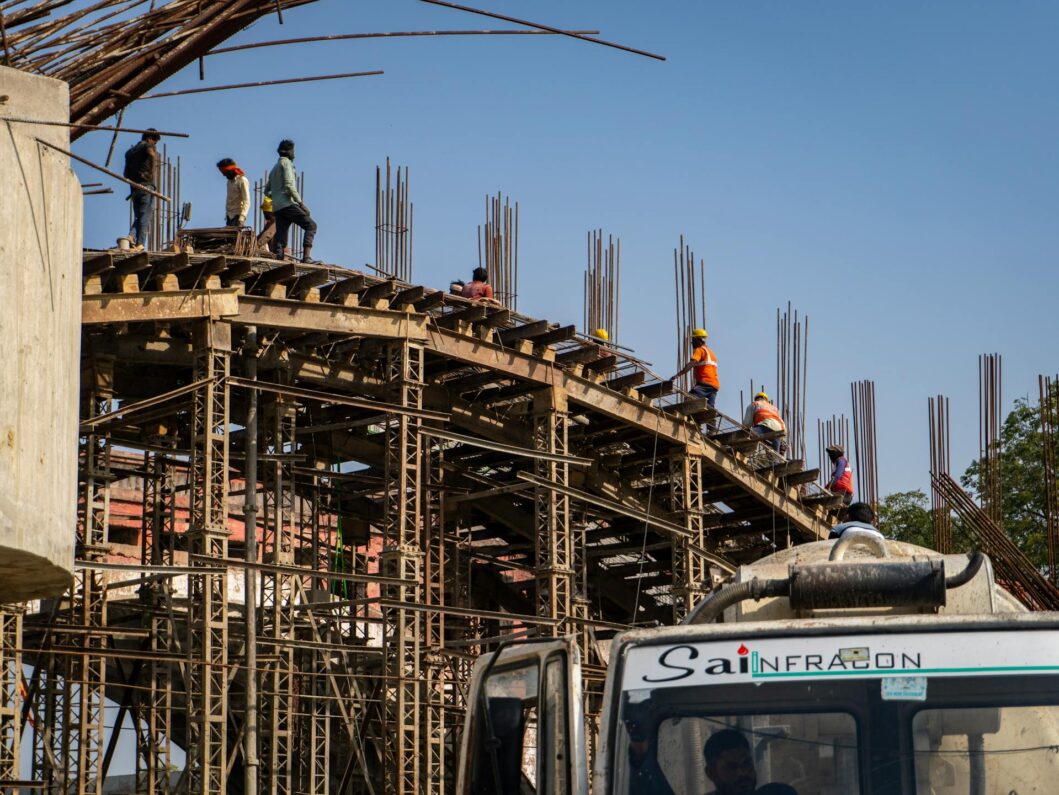
Construction sites today are far more complex than ever before. With advanced technologies, stricter regulations, and increasing project demands, managing modern construction projects requires a diverse and refined skill set. Gone are the days when basic supervision was enough—today’s construction professionals must combine technical expertise, leadership, and strategic thinking to ensure successful project delivery.
Technical Knowledge and Industry Expertise
A strong foundation in construction methods, materials, and engineering principles is essential for any professional in this field. Modern construction managers must understand blueprints, electrical systems, structural components, and safety requirements. With the growing use of digital tools such as Building Information Modeling (BIM) and project management software, staying updated with industry technology has become equally important. This technical knowledge enables professionals to make informed decisions and solve problems efficiently.
Effective Communication and Team Coordination
Construction projects involve multiple stakeholders, including architects, engineers, contractors, suppliers, and clients. Clear and effective communication is crucial to ensure that everyone is aligned with project goals and timelines. Construction professionals must be able to convey instructions, resolve conflicts, and facilitate collaboration among teams. Strong communication reduces misunderstandings and helps maintain a smooth workflow on-site.
Time Management and Organizational Skills
Meeting deadlines is a critical aspect of construction management. Professionals must plan schedules, allocate resources, and monitor progress to ensure timely completion of tasks. Strong organizational skills help in managing multiple activities simultaneously, from procurement to workforce coordination. Efficient time management not only keeps projects on track but also prevents cost overruns caused by delays.
Safety Awareness and Risk Management
Safety remains a top priority on construction sites. Professionals must be well-versed in safety regulations, hazard identification, and risk mitigation strategies. Implementing safety protocols, conducting regular inspections, and ensuring proper use of protective equipment are essential responsibilities. A proactive approach to safety minimizes accidents, protects workers, and ensures compliance with legal standards.
Leadership and Decision-Making Abilities
Managing a construction site requires strong leadership skills. Professionals must motivate teams, handle challenges, and make critical decisions under pressure. Whether it’s addressing unexpected issues or adapting to changing project conditions, effective decision-making is key to maintaining progress. A good leader fosters accountability, builds trust, and ensures that the entire team works toward a common objective.
Conclusion: Building Success Through Skill Mastery
Modern construction site management demands a combination of technical, organizational, and interpersonal skills. Professionals who master these abilities are better equipped to handle complex projects, ensure safety, and deliver high-quality results on time. As the construction industry continues to evolve, continuous learning and skill development will remain essential for long-term success.
About the Author
