
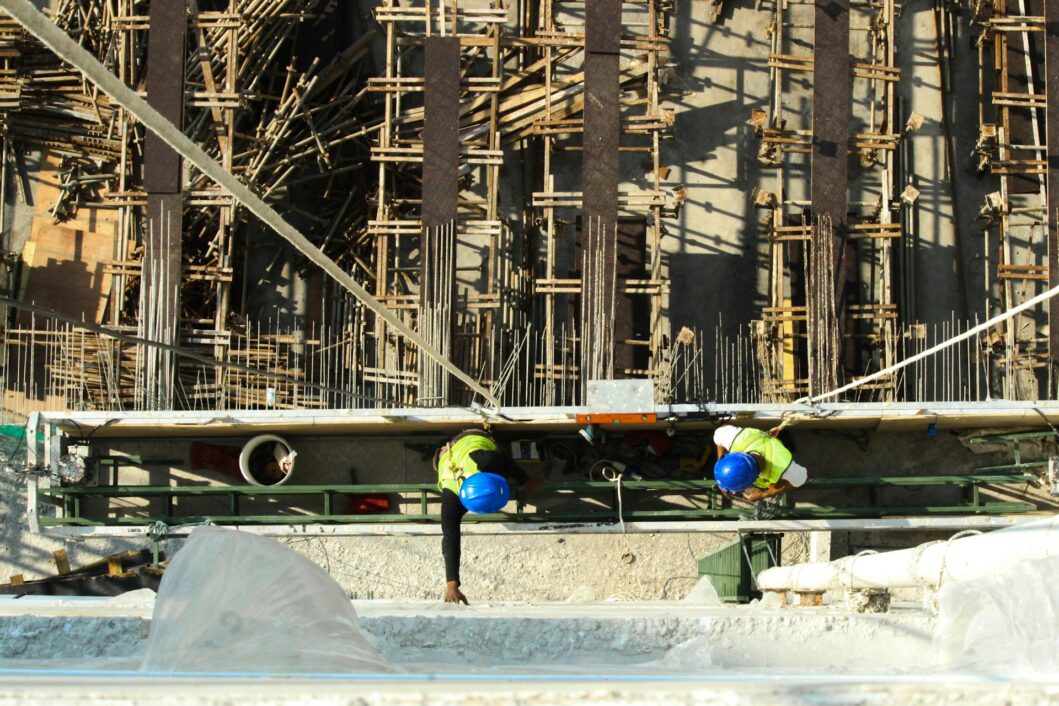
Successfully managing complex construction projects requires a seamless transition from preconstruction estimating to on-site execution. Each phase demands precision, coordination, and adaptability, as even minor oversights can lead to delays, budget overruns, or safety issues. Understanding the workflow from estimation to implementation is essential for ensuring project efficiency, quality, and stakeholder satisfaction.
Accurate Estimating: Laying the Foundation
The first step in any complex construction project is accurate estimating. This involves detailed quantity takeoffs, material costing, and labor projections. Using advanced software such as Bluebeam, Procore, Sage Estimating, and On-Screen Takeoff (OST), construction professionals can generate precise and data-driven estimates. Accurate estimating not only establishes a realistic budget but also identifies potential cost-saving opportunities and informs resource allocation.
Collaboration during the estimating phase is critical. Input from subcontractors, architects, and engineers ensures that all variables are considered, minimizing the risk of unforeseen costs or project delays. A well-prepared estimate serves as a roadmap for the execution phase, guiding decision-making and resource management.
Planning and Coordination: Bridging Estimation to Execution
Once estimates are finalized, the focus shifts to planning and coordination. Developing detailed schedules, assigning responsibilities, and coordinating with subcontractors are vital for keeping the project on track. This phase involves aligning construction timelines with material deliveries, inspections, and workforce availability.
Effective communication between the project manager, site supervisors, and contractors ensures that tasks are executed as planned. Daily reports, progress meetings, and on-site inspections help track milestones and address issues before they escalate.
Execution: Managing the Job Site
The execution phase brings plans to life. Construction teams must manage multiple trades, including electrical, plumbing, structural, and finishing work, often simultaneously. Safety remains paramount, requiring adherence to OSHA standards and strict site protocols.
Monitoring quality control is equally important. Regular site inspections, testing, and verification of completed work ensure that the project meets design specifications and client expectations. Flexibility and problem-solving skills are essential, as unforeseen challenges such as weather delays or material shortages often arise.
Leveraging Technology for Success
Modern construction projects rely heavily on technology to streamline execution. Project management software, digital collaboration tools, and real-time reporting systems enable teams to coordinate efficiently, track progress, and maintain transparency with stakeholders. Technology also facilitates accurate documentation for budgeting, compliance, and post-project evaluation.
Conclusion
Navigating complex construction sites requires a strategic approach that integrates precise estimating, meticulous planning, and effective execution. By bridging preconstruction analysis with on-site management, construction professionals can deliver projects that are on schedule, within budget, and of exceptional quality. From the first estimate to the final inspection, a structured and adaptive approach ensures successful outcomes in even the most challenging construction environments.
About the Author
