
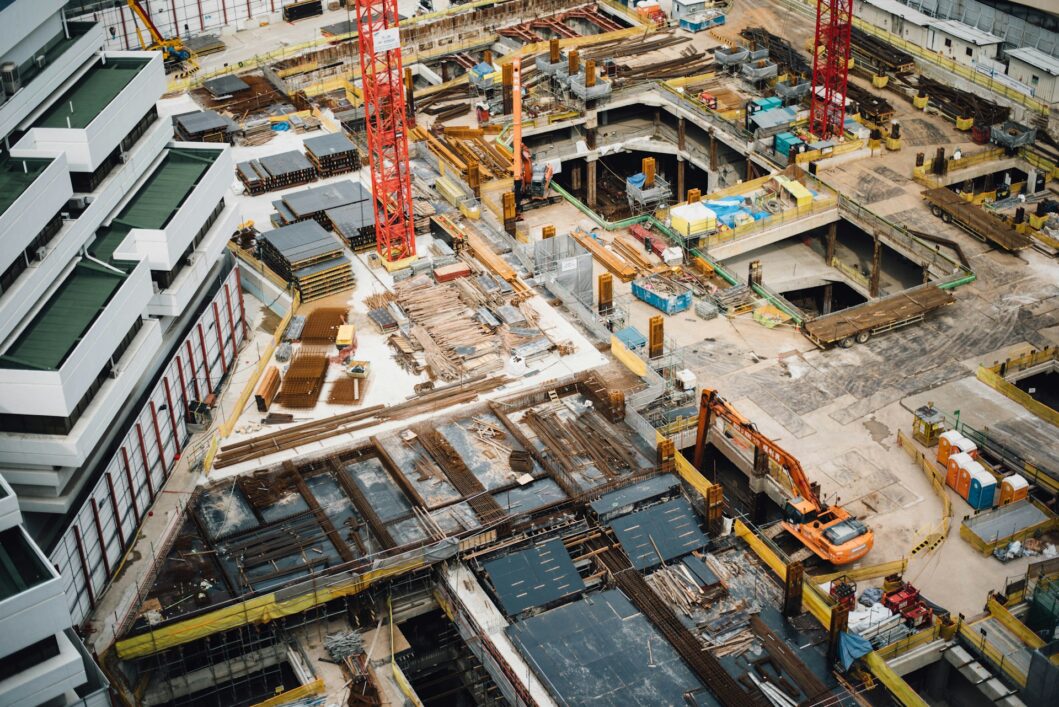
The construction industry has evolved significantly over the past decade, with design-build and restoration projects benefiting from technological advancements and innovative approaches. These methods streamline project delivery, improve collaboration, and enhance overall efficiency while maintaining high standards of quality and sustainability.
The Design-Build Advantage
Design-build is an integrated project delivery method where design and construction teams work collaboratively from the outset. Unlike traditional project delivery, this approach reduces miscommunication and accelerates timelines. Innovations in design-build include 3D modeling, virtual walkthroughs, and digital collaboration platforms that allow architects, engineers, and contractors to coordinate more effectively. By bringing stakeholders together early, potential design conflicts are resolved before construction begins, saving time and costs.
Advanced Restoration Techniques
Restoration projects, whether preserving historic structures or renovating modern buildings, demand precision and expertise. Innovative methods such as laser scanning, 3D printing for custom components, and non-invasive structural assessments enable teams to address complex challenges with greater accuracy. These techniques allow restoration professionals to replicate original designs, ensure structural integrity, and meet stringent preservation standards while minimizing disruption to surrounding areas.
Sustainability and Green Solutions
Modern design-build and restoration projects increasingly prioritize sustainability. Innovations include energy-efficient materials, modular construction components, and smart building systems that optimize energy use. Restoration projects now integrate eco-friendly solutions, such as low-impact demolition techniques, recycled materials, and energy-efficient HVAC upgrades. These strategies reduce environmental impact, lower long-term operating costs, and enhance the overall performance of the building.
Leveraging Technology for Project Management
Technology has transformed how construction projects are planned, executed, and monitored. Project management software, Building Information Modeling (BIM), and cloud-based collaboration tools enable real-time communication between all stakeholders. These innovations provide detailed project visualization, track progress, manage budgets, and anticipate potential issues before they become costly problems.
Enhancing Safety and Efficiency
Innovative approaches also improve safety on construction and restoration sites. Drones, wearable technology, and automated machinery help monitor work conditions, reduce human error, and improve operational efficiency. These tools allow project managers to maintain strict safety standards while accelerating workflows.
Conclusion
Innovations in design-build and restoration projects are redefining the construction industry. By integrating advanced technologies, sustainable practices, and collaborative approaches, these methods enhance project efficiency, quality, and safety. Forward-thinking design-build and restoration teams are setting new benchmarks for performance, delivering structures that are not only functional and visually appealing but also sustainable and resilient for the future.
About the Author
