
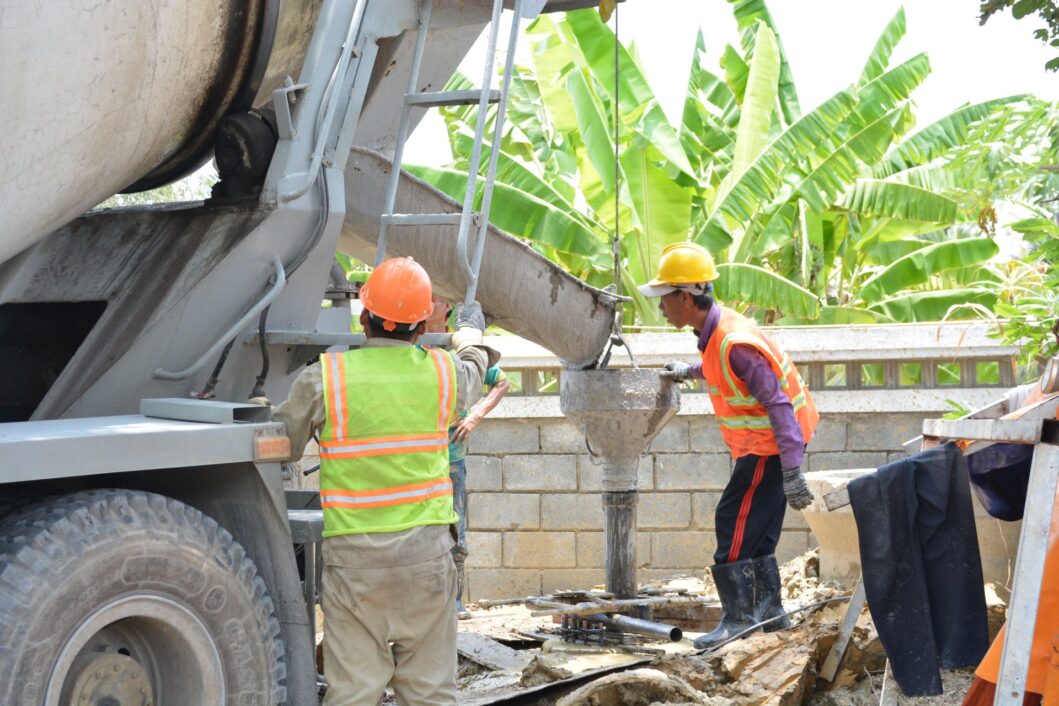
Effective project management plays a vital role in the success of construction projects. From residential buildings to large commercial developments, every construction project requires careful planning, coordination, and execution. Without proper management, projects can experience delays, budget overruns, communication issues, and quality concerns. By implementing effective project management strategies, construction companies can improve efficiency, maintain high-quality standards, and ensure successful project completion.
The Importance of Proper Planning
Planning is the foundation of successful construction project management. Before construction begins, project managers must establish clear objectives, develop realistic schedules, allocate resources, and determine project budgets. A well-structured plan helps teams understand their responsibilities and work toward shared goals.
Proper planning also allows project managers to identify potential challenges early. By anticipating material shortages, labor requirements, and scheduling conflicts, they can take preventive measures to minimize disruptions. This proactive approach helps construction teams maintain productivity and avoid unnecessary expenses.
Improving Construction Quality
Maintaining high-quality standards is essential for delivering durable, safe, and reliable structures. Effective project management ensures that construction activities follow approved designs, industry standards, and applicable building regulations.
Project managers coordinate inspections, monitor workmanship, and verify that materials meet project specifications. Regular quality checks help identify defects before they become major problems. Addressing these issues during construction reduces rework, saves money, and improves the overall quality of the finished structure.
Clear communication between architects, engineers, contractors, and subcontractors also helps ensure that everyone follows the same project requirements.
Enhancing Efficiency and Productivity
Construction efficiency depends on how effectively resources are managed. Project managers oversee labor, equipment, materials, and schedules to ensure that each activity progresses smoothly.
By coordinating different teams and organizing tasks in the correct sequence, project managers can reduce downtime and prevent scheduling conflicts. They can also use construction management software to track progress, manage documents, and identify delays before they affect the entire project.
Efficient resource allocation helps workers remain productive while ensuring that equipment and materials are available when needed. These improvements contribute to faster project delivery without compromising quality.
Controlling Costs and Reducing Risks
Budget control is another important responsibility in construction project management. Unexpected expenses, material price fluctuations, and poor planning can significantly increase project costs.
Effective project managers regularly compare actual expenses with the approved budget, monitor procurement activities, and identify potential financial risks. They also develop contingency plans to address unexpected challenges.
This approach allows construction companies to make informed decisions, maintain financial stability, and deliver projects within established budgets.
Conclusion
Effective project management is essential for improving construction quality and efficiency. Through careful planning, quality control, resource coordination, and cost management, project managers help construction teams achieve better results. Their ability to anticipate challenges, maintain communication, and monitor progress ensures that projects meet established standards and deadlines. Ultimately, strong project management contributes to safer structures, reduced costs, improved productivity, and greater client satisfaction.
About the Author
