
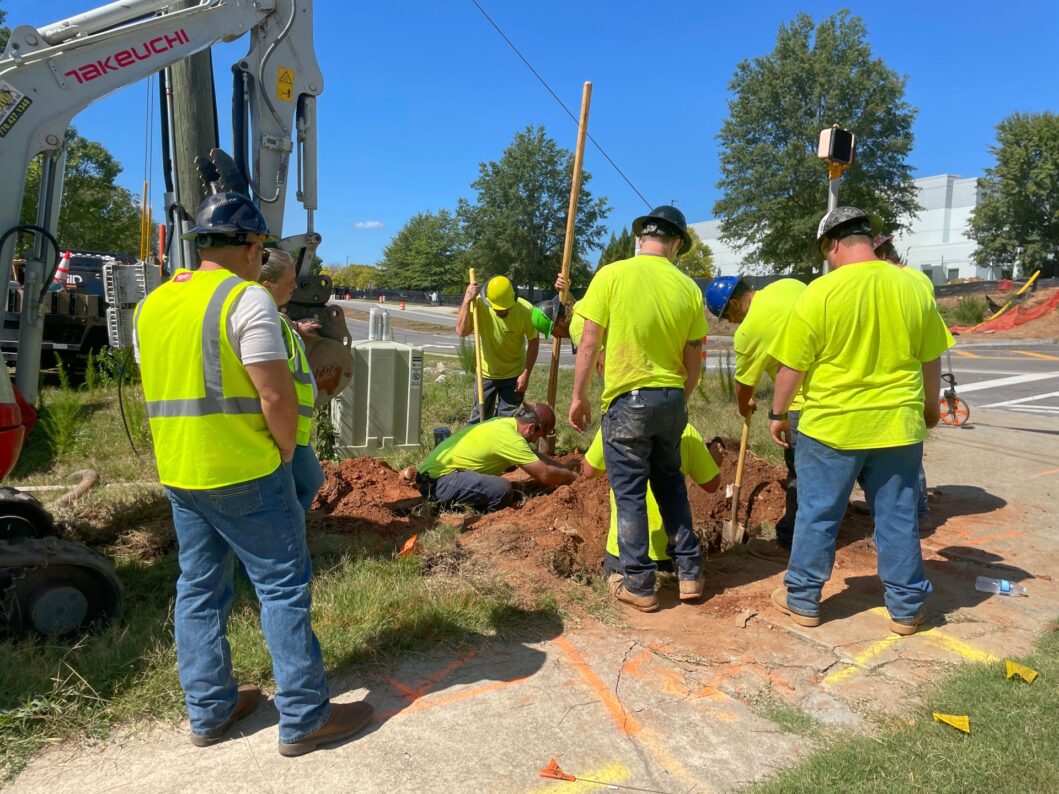
Construction projects involve multiple activities, professionals, and resources that must work together to achieve successful results. From initial planning to final inspection, every stage requires careful coordination and supervision. Construction project managers play a crucial role in this process by overseeing schedules, budgets, quality standards, and communication among project stakeholders. Their leadership helps ensure that construction projects are completed efficiently, safely, and according to client expectations.
Planning and Organizing Construction Projects
One of the primary responsibilities of a construction project manager is developing a comprehensive project plan. This includes defining project objectives, establishing timelines, estimating costs, and identifying the resources required for each phase of construction.
Project managers work closely with architects, engineers, contractors, and clients to establish clear expectations before work begins. They also develop schedules that organize tasks in the correct sequence, helping teams avoid conflicts and unnecessary delays.
Effective planning provides a clear roadmap for everyone involved. It allows construction teams to understand their responsibilities and prepares them to address potential challenges before they affect project progress.
Managing Budgets and Resources
Financial management is essential to the success of any construction project. Construction project managers monitor expenditures, approve resource allocations, and coordinate procurement activities to keep projects within budget.
They must ensure that labor, equipment, and building materials are available when needed. Poor resource management can lead to idle workers, equipment downtime, and increased operating costs.
By tracking expenses and reviewing financial reports regularly, project managers can identify budget issues early and make adjustments when necessary. Their ability to balance cost, quality, and efficiency helps construction companies achieve their financial objectives without compromising project standards.
Ensuring Quality and Workplace Safety
Maintaining construction quality and workplace safety is another important responsibility of project managers. They coordinate inspections, monitor construction activities, and ensure that work follows approved designs, applicable building codes, and safety requirements.
Regular site inspections help identify defects, unsafe practices, and deviations from project specifications. Addressing these concerns promptly reduces the risk of costly repairs, accidents, and project disruptions.
Construction project managers also encourage workers and subcontractors to follow established safety procedures. A strong safety culture protects employees, supports productivity, and contributes to the successful completion of construction projects.
Improving Communication and Team Coordination
Construction projects often involve numerous stakeholders with different responsibilities and priorities. Project managers serve as a central point of communication, ensuring that information is shared accurately and efficiently.
Regular meetings, progress reports, and digital project management tools help teams stay informed about deadlines, design changes, and emerging issues. Clear communication also reduces misunderstandings and allows stakeholders to make timely decisions.
Strong coordination between project teams helps maintain workflow continuity and ensures that everyone works toward the same objectives.
Conclusion
Construction project managers are essential to delivering successful projects. Their expertise in planning, budgeting, quality control, safety management, and communication helps keep construction activities organized and productive. By identifying risks early and coordinating resources effectively, they reduce delays, control expenses, and maintain high standards. Ultimately, effective construction project management supports better project outcomes, stronger client relationships, and long-term success for construction companies.
About the Author
