
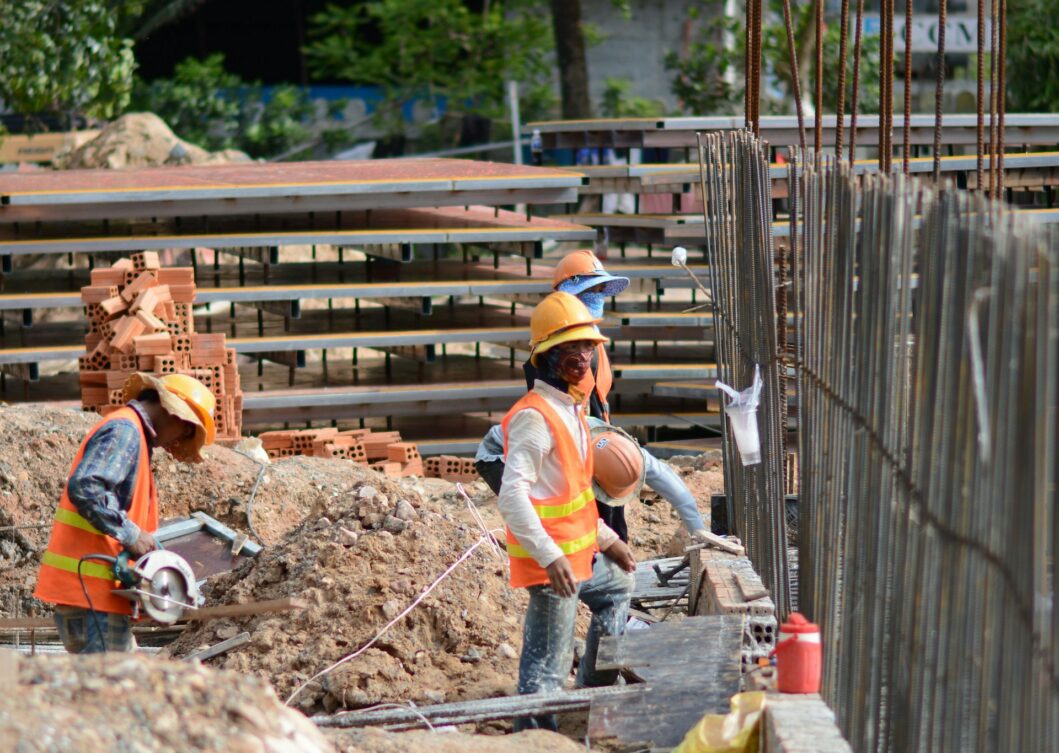
Construction projects involve many moving parts, including workers, materials, equipment, subcontractors, budgets, and deadlines. Without proper planning and scheduling, even a well-funded project can experience delays, unexpected costs, and quality problems. Construction project planning and scheduling provide a clear roadmap that helps teams complete projects efficiently and successfully.
What Is Construction Project Planning?
Construction project planning is the process of determining what needs to be done, how it will be completed, who will be responsible, and what resources are required. Planning typically begins before construction starts and covers everything from project scope and budget to materials, labor, permits, and potential risks.
A well-developed plan gives everyone involved a clear understanding of their responsibilities and project expectations. It also helps construction managers identify potential problems before they become expensive issues.
Why Is Construction Scheduling Important?
A construction schedule establishes when specific tasks should begin and finish. It organizes activities in the correct sequence so that one stage can be completed before the next stage begins.
For example, electrical and plumbing work generally needs to be coordinated with other construction activities. A detailed schedule helps ensure that workers arrive when needed and that materials and equipment are available at the right time.
An effective schedule also gives project managers a way to measure progress and identify delays early.
Better Budget and Resource Management
Proper planning and scheduling can help control construction costs. When project activities are planned in advance, managers can estimate labor, material, and equipment requirements more accurately.
Scheduling also helps prevent resources from sitting unused. Workers and equipment can be assigned according to the project’s needs, reducing unnecessary downtime and expenses.
Reducing Construction Delays
Delays are one of the most common challenges in construction. They can result from material shortages, poor coordination, weather, design changes, labor issues, or unexpected site conditions.
Effective planning allows construction managers to identify potential risks and develop alternative strategies. A detailed schedule also makes it easier to see how one delay could affect other activities and take corrective action quickly.
Improving Communication and Coordination
Construction projects usually involve owners, architects, engineers, contractors, subcontractors, suppliers, and workers. Without proper coordination, misunderstandings can lead to mistakes and delays.
A clear project plan and schedule give all parties a shared reference point. Everyone can understand what needs to happen, when it needs to happen, and who is responsible for each task.
Improving Overall Project Quality
Planning is not only about completing a project quickly. It also helps maintain quality standards. When tasks are properly scheduled, workers have enough time to complete their work correctly rather than rushing to meet unrealistic deadlines.
Construction managers can use the schedule to plan inspections, quality checks, and approvals throughout the project.
Conclusion
Construction project planning and scheduling are essential for controlling costs, managing resources, reducing delays, improving communication, and maintaining quality. A detailed plan provides the foundation for the project, while an effective schedule helps turn that plan into action. By investing time in planning before and during construction, project teams can improve efficiency and increase the chances of completing projects successfully, on time, and within budget.
About the Author
